-
He kupu mō mātou
About us
He kupu mō mātou
About us
-
Ngā mahi whakarauora
History & revitalisation
Ngā mahi whakarauora
History & revitalisation
-
Te Rēhita Kaiwhakamāori
Translators and Interpreters Register
Te Rēhita Kaiwhakamāori
Translators and Interpreters Register
-
Ngā kaupapa nui o te wā
News & events
Ngā kaupapa nui o te wā
News & events
-
Te whakamahere reo
Language planning
Te whakamahere reo
Language planning
-
Ngā rangahau me ngā pūrongo
Research & reports
Ngā rangahau me ngā pūrongo
Research & reports

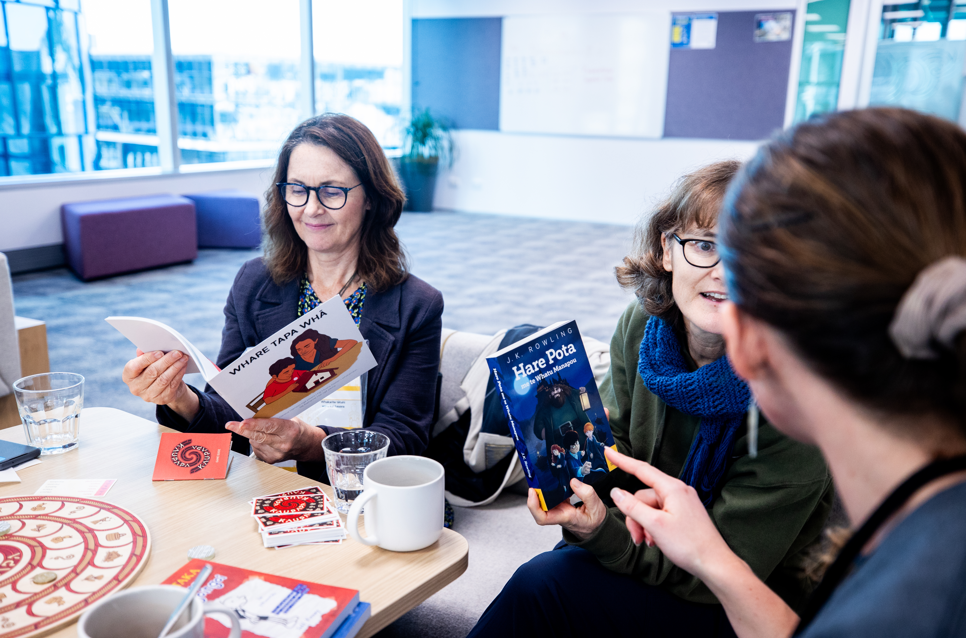
Refreshed Maihi Karauna Released
The refreshed Maihi Karauna, the Crown’s Māori Language Strategy, sets the next direction for strengthening and normalising te reo Māori across Aotearoa New Zealand.
Building on the foundations that were established since the original Maihi Karauna was released in 2019, the refreshed strategy emphasises increasing the everyday use of te reo Māori - so it is visible, valued and voiced.
Te Taura Whiri i te Reo Māori (the Māori Language Commission) and Te Puni Kōkiri have led the development of the refreshed strategy, drawing on evidence, evaluation findings, and engagement across the public sector.
The refreshed Maihi Karauna continues to stand alongside the Maihi Māori. The Crown’s strategy focuses on its responsibilities for Māori language revitalisation, while the Maihi Māori sets the direction for Māori and iwi.
Building on progress
The original Maihi Karauna has played an important role in lifting the visibility, use, and support for te reo Māori across Aotearoa New Zealand.
Throughout the public sector, agencies have increasingly incorporated te reo Māori into their daily work, contributing to stronger awareness and more opportunities for people to engage with the language.
Building on this momentum, the refreshed strategy purposely shifts its focus from ‘awareness and support’ to ‘increasing everyday use’.
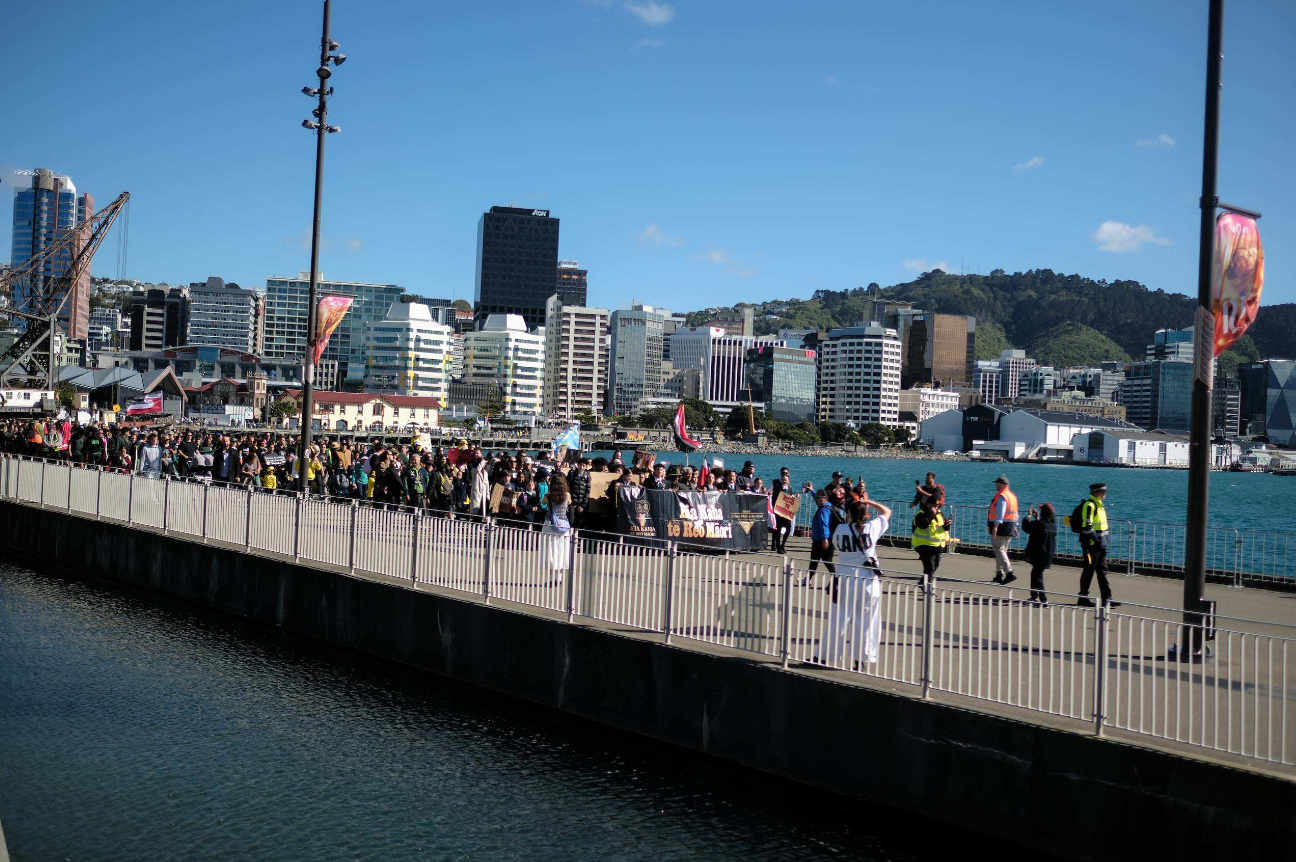
A focus on practical action
With the refreshed strategy now confirmed, the next phase is turning strategy into practical, coordinated action across government.
A two-year action plan will set out priorities and areas of focus, supporting agencies to strengthen their language plans and deliver meaningful outcomes. There will also be a stronger focus on improving how progress is measured and reported over time.
Looking ahead
The refreshed Maihi Karauna reflects a long-term commitment to revitalising te reo Māori as a living language.
It acknowledges the progress made to date, while setting a clear direction for the next phase - ensuring te reo Māori continues to grow in everyday use across Aotearoa New Zealand, now and for future generations.
Read the Minister for Māori Development’s media release here
Because we are publicly funded, we are required to report to Parliament and our stakeholders on our performance against the SOI and SPE each year in our Annual Report. The report gives us the opportunity to tell the stories of what we do to support the Māori language.
Supporting Documents
Frequently Asked Questions
The refresh builds on the strong foundations of the original Maihi Karauna rather than replacing it.
Like all strategies, the Maihi Karauna was designed to be time-bound and reviewed to ensure it remains relevant and effective. The previous implementation plan had reached the end of its lifecycle, making it the right time to take stock and refresh the approach.
The original strategy has helped lift awareness, increase visibility, and build strong public support for te reo Māori. This refresh is about further advancing that progress - strengthening what works, addressing areas that need improvement, and sharpening the focus on the actions that will have the greatest impact.
In particular, it reflects what we’ve learned about implementation and the need to shift from awareness and support to increased everyday use of te reo Māori.
Refreshing the strategy has involved careful review of what’s working, what needs strengthening, and where effort will have the greatest impact. This has included analysing evidence, learning from implementation to date, and engaging with agencies across government.
Importantly, the existing strategy has remained in place during this time. The refresh builds on that foundation rather than replacing it entirely, ensuring continuity while sharpening focus on the areas that will most effectively support the normalisation of te reo Māori.
Public support is an important foundation, but on its own it does not guarantee increased use of te reo Māori. The next step is to convert that support into action - more people learning, speaking, and using te reo Māori everyday. This is essential to achieving long-term and ensuring normalisation for future generations.
Under Te Ture mō Te Reo Māori 2016, the Crown is required to set a strategy for te reo Māori revitalisation. The Maihi Karauna ensures that legislative requirements are met. This is also one of the ways the Crown can meet its responsibilities to te reo Māori as a taonga, under Te Tiriti o Waitangi.
Long-term modelling shows the goal is still achievable if current support continues and grows. The refreshed strategy focuses on the practical steps needed to maintain and speed up progress, recognising that ongoing effort will be essential to reach this goal.
Feedback from agencies highlighted that a more flexible approach would be more effective.
Rather than prescribing priority groups, the refreshed approach enables agencies to focus on the audiences and communities where they can make the biggest difference. This supports more targeted and meaningful action.
Improving data and measurement is a key priority. So the refreshed strategy includes a dedicated focus on strengthening data and evidence across agencies.
We know that current data is not always consistent or easy to compare over time. This shared focus will support better decision-making, clearer monitoring of progress, and more transparent reporting over time.
The next phase is turning the refreshed strategy into practical, coordinated action.
A two-year action plan will be developed to set out the key priorities and areas where agencies will focus their efforts. This will involve working closely across government, and in partnership with Māori, to ensure actions are targeted and have the greatest impact.
Alongside this, there will be a stronger focus on improving data and measurement so progress can be tracked more clearly over time. Regular review points will also be built in, allowing the approach to be adjusted as needed.
This is part of an ongoing programme of work, the refresh is not an end point, but a step toward strengthening the way in which the system supports the normalisation and revitalisation of te reo Māori over the long term.